
Architectural Site Insights: Site Visits & Analysis for Irish Architecture
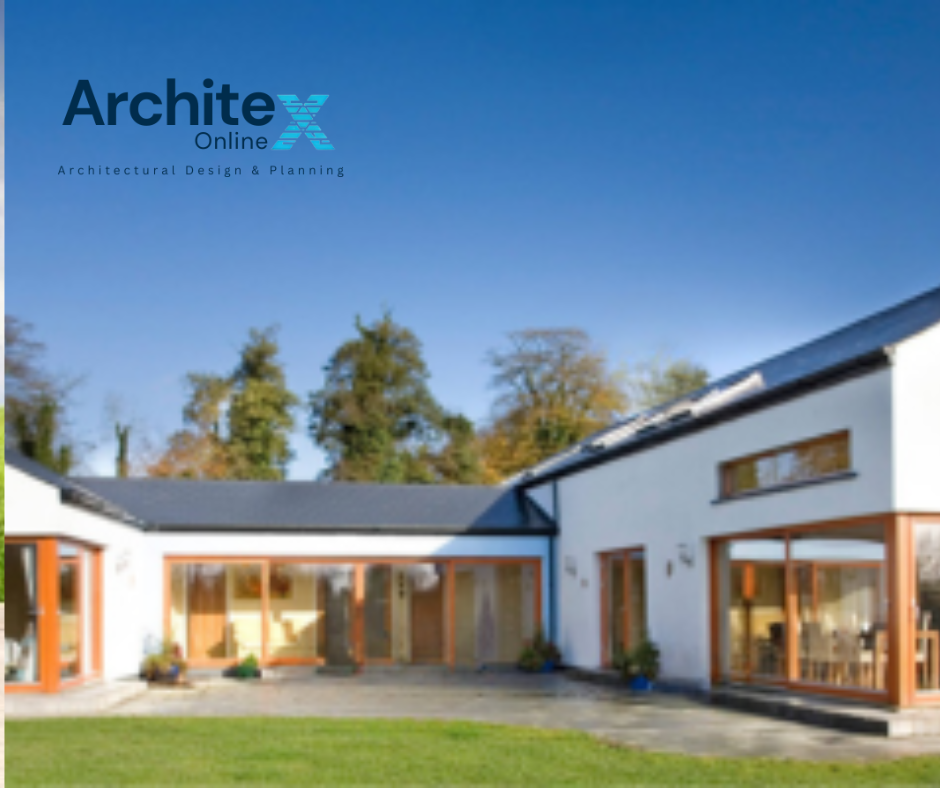
When it comes to designing and building in Ireland, understanding the site is everything. I’ve found that no amount of drawings or plans can replace the value of stepping onto the land itself. The unique character of Irish landscapes, the weather patterns, and the historical context all play a crucial role in shaping a successful project. This is why site visits and analysis are not just a formality but a vital part of the architectural process.
In this post, I’ll share practical insights and tips on how to approach site visits, what to look for, and how to make the most of your time on location. Whether you’re an architect, builder, contractor, or a DIY homeowner, these guidelines will help you navigate the complexities of Irish sites with confidence.
Why Architectural Site Insights Matter
Every site tells a story. From the rolling hills of County Kerry to the urban fabric of Dublin, each location has its own set of challenges and opportunities. When you visit a site, you’re not just measuring distances or checking boundaries. You’re absorbing the environment, noting the natural light, understanding the soil conditions, and identifying any potential obstacles.
For example, a site near the coast might require special attention to salt corrosion and wind exposure. Meanwhile, a rural site could have hidden archaeological features or protected flora. These insights influence everything from material choices to structural design.
By investing time in thorough site analysis, you reduce costly surprises later. You also create designs that harmonise with the landscape, respecting both nature and local heritage. This approach aligns perfectly with the ethos of Architex Online, which brings expert architectural consultation directly to you, saving time and hassle.

Key Elements to Observe During a Site Visit
When you arrive at a site, your senses should be alert to a variety of factors. Here’s a checklist of key elements to focus on:
Topography: Note slopes, elevation changes, and natural drainage patterns. These affect foundation design and water management.
Soil Type: Is the ground rocky, clayey, or sandy? Soil tests might be necessary, but initial observations can guide early decisions.
Sun Path and Light: Track how sunlight moves across the site during the day. This helps optimise natural lighting and energy efficiency.
Wind Direction: Identify prevailing winds to plan for ventilation and protection.
Access and Boundaries: Check existing roads, paths, and legal boundaries. Consider how vehicles and pedestrians will enter and exit.
Vegetation and Wildlife: Identify trees, shrubs, and habitats that need preservation or could impact construction.
Utilities and Services: Locate water, electricity, sewage, and communication lines.
Neighbouring Structures: Understand the context of nearby buildings, their style, and any planning restrictions.
Taking detailed notes and photographs during your visit will help you recall these observations later. It’s also useful to sketch rough site plans on the spot.
What is the first site visit checklist?
Starting a project without a clear checklist can lead to missed details. Here’s a practical first site visit checklist that I recommend:
Pre-Visit Preparation
Review any existing site plans or maps.
Check local planning regulations and zoning.
Prepare measuring tools, camera, notebook, and safety gear.
On-Site Assessment
Walk the entire site perimeter.
Measure key distances and note landmarks.
Observe and record natural features and man-made elements.
Identify any hazards or restrictions.
Take photos from multiple angles, focusing on potential building spots.
Environmental Considerations
Note drainage patterns and water flow.
Assess sunlight exposure at different times.
Check for signs of erosion or flooding risk.
Community and Context
Observe neighbouring properties and their uses.
Look for cultural or historical markers.
Consider noise levels and privacy concerns.
Post-Visit Actions
Organise your notes and photos.
Compare findings with initial plans.
Schedule any necessary surveys or tests.
This checklist ensures you cover all bases during your first visit, setting a solid foundation for design and planning.
How to Use Site Visit Insights in Your Design
Once you’ve gathered your site data, the next step is to translate it into design decisions. Here are some ways to apply your insights effectively:
Orientation: Position buildings to maximise sunlight and natural ventilation. For example, in Ireland’s often cloudy climate, south-facing windows can brighten interiors.
Materials: Choose materials that withstand local weather conditions. Coastal sites might benefit from treated timber or stone, while urban sites may require fire-resistant cladding.
Landscaping: Preserve existing trees and integrate native plants to maintain biodiversity and reduce maintenance.
Access Planning: Design driveways and walkways that respect natural contours and minimise disruption.
Sustainability: Incorporate rainwater harvesting or solar panels based on site conditions.
Regulatory Compliance: Use your site knowledge to navigate planning permissions smoothly, avoiding delays.
By grounding your design in real site conditions, you create buildings that feel right at home and perform well over time.

Embracing Technology for Remote Site Analysis
In today’s digital age, not every site visit needs to be physical. Architex Online revolutionises the traditional design and planning process by offering expert architectural consultation remotely. This service is a game-changer for busy professionals and homeowners who want expert advice without the hassle of office visits.
Using satellite imagery, drone footage, and detailed site photos, architects can perform a thorough site visit & analysis online. This approach saves time and travel costs while still delivering precise insights.
However, I always recommend complementing remote analysis with at least one physical visit when possible. Nothing replaces the feel of the site under your feet and the subtle cues that only in-person observation can reveal.
Moving Forward with Confidence
Understanding your site is the first step toward a successful architectural project. By combining careful observation, detailed checklists, and modern technology, you can navigate the complexities of Irish sites with ease.
Remember, every site is unique. Embrace its quirks and challenges as opportunities to create something truly special. Whether you’re designing a new home, renovating an old structure, or planning a commercial build, your site insights will guide you every step of the way.
With the right approach, your project will not only meet practical needs but also celebrate the rich architectural heritage and natural beauty of Ireland.
I hope these insights inspire you to approach your next project with fresh eyes and a deeper appreciation for the land beneath your feet. Happy building!


Comments