
Navigating the Irish Planning Process for Your Dream Home
- Architex Online
- Nov 22, 2025
- 4 min read

Updated: Dec 10, 2025
Thinking of building a new home, extending your current one, or changing how you use your property? That's fantastic! The Irish planning process might seem like a lot of paperwork, but with a clear, positive approach, it's just the necessary step to bring your vision to life in a way that benefits everyone.
Think of the planning system as a friendly guide run by your local City or County Council. Its job is to ensure that all new development is done properly and sustainably, keeping your community a great place to live. Let's break down the journey into easy, understandable steps!
Step 1: Pre-Planning—The Smart Start 💡
Before you even fill out a form, the best advice is to do your homework.
Check Your Local Plan: Every local authority has a Development Plan. This is the rulebook for your area, telling you what kind of development is generally allowed where. For example, is your land zoned for residential use? Knowing this upfront is a huge advantage.
Talk to the Planners: Most councils run Pre-Planning Clinics. This is your chance to chat informally with a Planning Officer. Bring your basic sketches and location map. They can offer invaluable initial feedback, flagging potential issues before you spend money on detailed drawings. This step is a real time-saver!
Step 2: Going Public—Letting the Community Know 📰
The planning system is designed to be open and transparent. Before you formally submit, you must give the public and your neighbours notice of your intentions.
The Newspaper Notice: You must place an advert in an approved local newspaper within two weeks of submitting your application. This notice details what you plan to do and where.
The Site Notice: You also need to put up a large, clearly visible notice on the site itself. This notice must stay up for at least five weeks after the council receives your application. This simple act ensures everyone who might be interested is fully informed.
Step 3: Submitting Your Application—The Big Day 📂
With your notices displayed, it’s time to package up your application and send it to your local City or County Council.
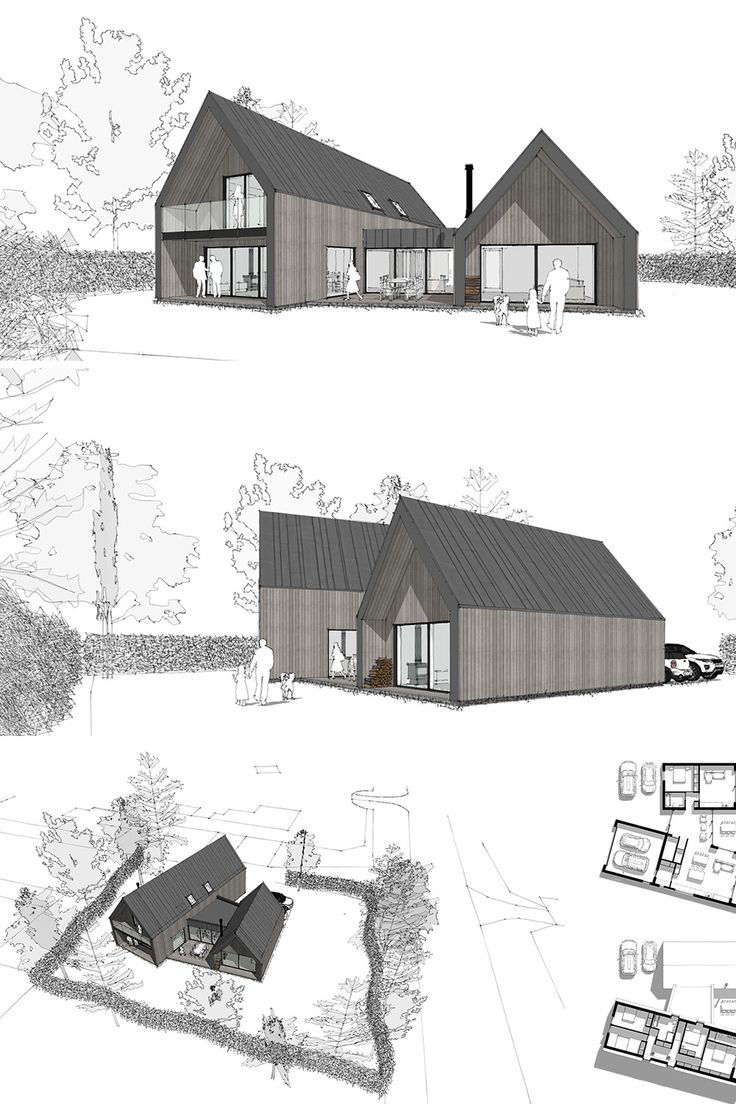
The Key Documents: A successful application is a complete one! You’ll need a fully completed application form, the correct fee, the page from the newspaper notice, a copy of the site notice, and, crucially, detailed plans and drawings from your architect or engineer. These must clearly show what you propose to build, including site layouts and elevation views.
Validation is Key: The council will check your application to make sure everything required is included. If it is, it's officially considered "Valid," and the clock starts ticking!
⏳ The Eight-Week Countdown
Once your application is validated, a fixed process begins. The local authority typically aims to issue a decision within eight weeks of receiving a valid application.
Timeline (from date of valid application)
First 5 Weeks: Public Submissions & Observations can be made on the application. The public (including neighbours) can make a formal submission, supporting or objecting to your plans. The council uses this feedback.
Weeks 5 - 8: Planning Authority Assessment. The council’s planners assess your proposal against the Development Plan and consider any public submissions.
End of Week 8: The Decision. The council issues a "Notice of Decision." This will be a Grant, a Refusal, or a request for "Further Information" (FI).
What Happens Next? The Three Possible Outcomes
✅ The Grant: Excellent! You’ve been given the go-ahead.
❌ The Refusal: Don’t panic. The council will explain why. You have the option to refine your plans and re-apply, or to appeal the decision to An Bord Pleanála (the national planning appeals body).
❓ Request for Further Information (FI): This is very common and a positive opportunity. It simply means the planners need more detail or a slight change before they can approve. You have up to six months to respond, after which the council makes its final decision within four weeks.
The Final Step: The Final Grant of Permission
Whether it’s a direct grant or a grant following an FI response, there is a four-week waiting period after the Notice of Decision. This is the window for any party (you or a third party) to appeal the decision to An Bord Pleanála.
If, after those four weeks, no appeal is lodged, the local authority issues the Final Grant of Permission. 🥳 Congratulations! You now have the full legal approval to start work, usually valid for five years.
Understanding the Importance of the Planning Process
The Irish planning process is a structured path designed to support quality development. By being prepared, communicative, and positive, you’re already taking the most important steps towards successfully achieving your goal!
Benefits of Engaging with the Planning System
Engaging with the planning system offers several benefits. It ensures that your project aligns with local regulations and community needs. Moreover, it fosters transparency and encourages community involvement. This can lead to a more harmonious relationship with your neighbours and local authorities.
Tips for a Smooth Planning Experience
Stay Informed: Keep up to date with local planning news and changes in regulations. This knowledge can help you navigate the process more effectively.
Be Proactive: Don’t wait until the last minute to gather your documents. Start early to avoid unnecessary stress.
Seek Professional Help: If you're unsure about any part of the process, consider hiring a professional. Their expertise can save you time and money in the long run.
Communicate Openly: Keep lines of communication open with your local council and neighbours. This can help address any concerns before they become bigger issues.
Be Patient: The planning process can take time. Patience is key to navigating it successfully.
The Irish planning process is not just a hurdle; it's an opportunity to create something meaningful. By understanding each step and preparing thoroughly, you can turn your vision into reality.
Copyright Architexonline.ie


Comments