
🏡New Planning Rules: Making it Easer to Build on Family Land in Rural Ireland 💚
- Architex Online
- Dec 3, 2025
- 3 min read
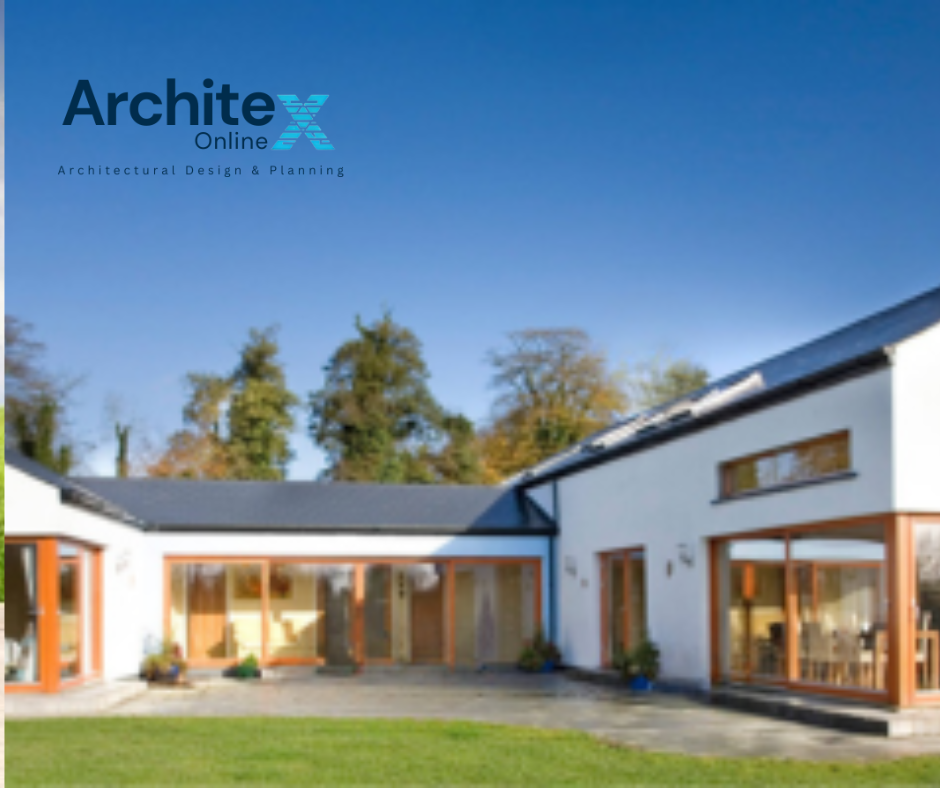
The dream of building a home on family land in rural Ireland has long been met with significant planning hurdles. However, the government is currently advancing significant reforms to planning legislation, aiming to make it easier and more straightforward for people with a genuine connection to rural communities to secure permission for a one-off home.
These anticipated changes, part of a wider effort to boost housing supply and sustain rural life, focus on a shift in policy to prioritise local and family need.
🔑 Key Changes: A Focus on Family Connection
The core of the upcoming legislative shift is a move away from highly restrictive national guidelines that were often seen as prohibitive to one-off rural housing
1. New Rural Housing Guidelines
The Government is actively reviewing and updating the existing Rural Housing Guidelines (which date back to 2005) to give more certainty to applicants with a genuine connection to a rural area.
Prioritising Local Need: The new approach is expected to clarify that those who have a clear economic or social need to live in a specific rural area—such as having grown up there, working on the family farm, or having a long-standing family connection—will be permitted to build a home on their own land.
The Family Farm Connection: There's a particular focus on supporting farming families to build homes and live on their land, helping to sustain generational farming and local communities. This is intended to streamline processes for family applicants.
Wastewater Technology: The government has noted that advancements in wastewater treatment will be taken into account, potentially addressing a previous major obstacle for one-off housing applications in areas without connection to a main sewer.
2. Easing Restrictions for Annexes and Family Accommodation
While distinct from one-off housing on greenfield sites, another major change will directly benefit families seeking to provide separate living spaces for relatives, particularly for older people or carers.
The Department of Housing recently concluded a public consultation on proposed changes to Exempted Development Regulations, which could significantly reduce the red tape for small, detached living spaces within the boundary of an existing family home.
Detached Habitable Accommodation: The proposal aims to exempt a detached habitable accommodation unit (like a modular home or garden annexe) to the rear of a dwelling from needing full planning permission.
Catering for Family Need: This change is intended to enable "living-in-situ" by older people or other family members, allowing them to remain close to the primary dwelling for support and care. Initial proposals suggested an exemption limit of up to 45m2.
🗣️ What This Means for Rural Communities
These policy shifts represent a significant victory for rural advocates who have argued that overly strict planning rules were forcing generations of rural families to leave their local areas.
Sustaining Rural Life: By facilitating the building of homes for those with a proven family connection, the reforms aim to keep rural communities viable and vibrant, ensuring continuity in local schools, shops, and services.
Avoiding Ribbon Development: While making it easier, the changes will still be balanced to prevent uncontrolled ribbon development (a string of houses along a road). Local Authorities will continue to update their development plans to ensure sustainable patterns of growth.
📝 What to Do Next
While the details are being finalised and passed into law (through new Acts and updated Regulations), the direction of travel is clear: the government is moving to empower those with deep family roots to build in their communities.
If you are considering building on family land:
Monitor Local Authority Plans: Keep a close eye on your local county or city council's Development Plan and their specific rural housing policy, as these will be updated following the new national guidelines.
Consult a Planner: Speak with an experienced local planning consultant or architect who can advise on how to best prepare an application that demonstrates your genuine family/social/economic need to reside in the area, aligning it with the forthcoming policies.
These changes promise to unlock opportunities for countless families, transforming a complex planning application process into a much clearer pathway to building the family home. It’s an exciting time for rural Ireland!
Copyright Architexonline.ie


Comments