
Planning Your Dream Home: A Guide to the Irish Planning Process
- Architex Online
- Nov 11, 2025
- 4 min read
Building or significantly modifying a domestic house in Ireland requires navigating the formal planning process set out by your Local Authority (County or City Council). While it can seem daunting, understanding the steps and key elements involved is the first step to securing your green light.
1. Do You Need Planning Permission?
(Exempted Development)
Before you begin, the very first step is checking if your proposed work is an Exempted Development. These are minor works that are legally exempt from requiring a formal planning application, provided they meet strict size and location criteria.
Common Exemptions include:
Extensions: Building a ground-floor extension to the rear of the house, provided the total floor area added is less than 40 square metres. There are further rules regarding height, proximity to boundaries, and the size of any upstairs extension.
Outbuildings: Erecting a garage, shed, or greenhouse to the rear or side, provided it doesn't extend in front of the house's building line and adheres to height and size limits (total area of outbuildings usually must not exceed 25 square metres).
Boundary Walls/Fences: Walls up to 1.2 metres high in the front of a house or 2 metres high at the side/rear.
Note: Exemptions are removed if the house is a Protected Structure or if the work affects a Material Change of Use (e.g., converting a shed to a habitable apartment). When in doubt, apply to your Council for a Section 5 Declaration to confirm if permission is required.
2. The Planning Application Process: Step-by-Step
For all non-exempt works (like a new build, large extension, or major alteration), the process involves two main phases: Public Notification and Submission.
Phase 1: Public Notification (The Notices) 📢
You must inform the public of your intentions before submitting the application.
Newspaper Notice: Place a notice in a local newspaper approved by the Local Authority. This notice must contain specific details, including your name, the site's address, the nature and extent of the proposed development (e.g., "construction of a two-storey detached dwelling"), and where the public can inspect the plans.
Site Notice: Erect a yellow site notice on the boundary of the land that is clearly visible and legible from the public road. This notice must be posted on or before the day the application is submitted and must remain in place for at least five weeks.
Timeline Check: The planning application itself must be submitted to the Local Authority within two weeks of the newspaper notice date.
Phase 2: The Formal Submission 📝
The application is submitted to the Planning Department of your County or City Council.
Application Form & Fee: A completed, standard planning application form accompanied by the correct statutory fee (e.g., currently €65 for a new house).
Required Documents (The Elements Involved): The application is a package of essential documents, typically submitted in six copies:
Ordnance Survey (OS) Map: A site location map (usually at a scale of 1:1000 or 1:2500) that clearly identifies the site and its surroundings.
Site Layout Plan: Detailed plan of the site (usually 1:500) showing boundaries, existing features, and the proposed house's footprint, often including site services (septic tank, percolation area, sightlines, etc.).
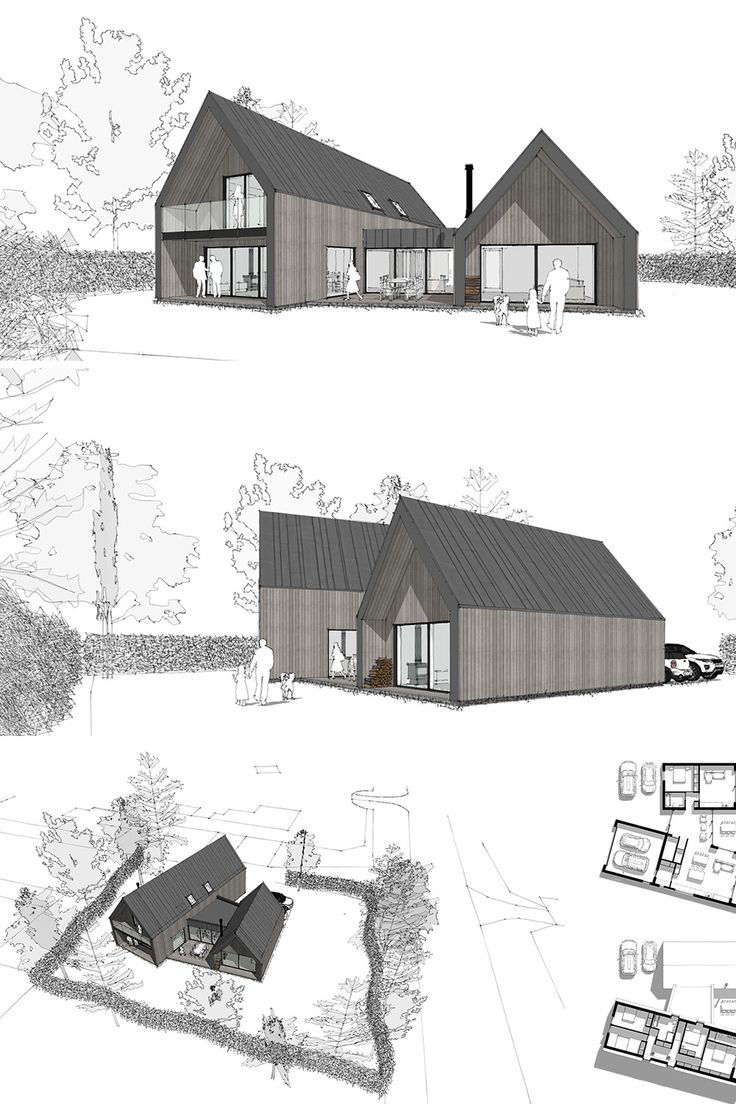
Architectural Drawings: Full, scaled drawings (1:100 or 1:50) including floor plans, elevations (what the building looks like from all sides), and cross-sections.
Public Notice Evidence: A copy of the newspaper page containing the notice, and a copy of the site notice along with a photograph and site map showing its exact location on the boundary.
Supporting Reports: This is critical, especially for one-off houses in rural areas. Reports may include:
Site Suitability Assessment (Percolation Test): To confirm the site can safely dispose of wastewater via a septic tank/treatment system.
Local Needs Clause: Documentation proving the applicant has a genuine local housing need and a link to the area (often a key challenge in rural planning).
Visual Impact Assessment: To show how the house will blend into the landscape.
3. The Decision & Follow-Up
Validation and Consultation
Once received, the Council validates the application (ensuring all forms and notices are correct). It is then placed on the Planning Register for public inspection.
The public has five weeks from the date of receipt to submit Observations/Objections to the proposed development.
The Decision
The Planning Authority has a statutory target of eight weeks from the date of receiving a valid application to issue a decision.
Grant of Permission: Approval is granted, usually with Conditions. These conditions might include changes to the design, requirements for landscaping, financial contributions (Development Contributions paid to the Council for services), or restricting the future sale of the house (e.g., the Local Needs condition).
Further Information (F.I.): The Planner may request additional information to clarify details or address concerns (e.g., re-running a percolation test, or lowering the ridge height). This pauses the 8-week clock until the information is submitted.
Refusal of Permission: The application is denied, often citing reasons like contravening the County Development Plan, having an unacceptable visual impact, or failing to meet local needs criteria.
Appeals
If you are refused permission or are unhappy with a condition, or if an objector is unhappy with a grant of permission, they can appeal the decision to An Bord Pleanála (The Planning Appeals Board) within four weeks of the Local Authority's decision date. This process typically adds several months to the overall timeline.
The Irish domestic planning process is a detailed legal procedure designed to ensure proper planning and sustainable development, balancing individual needs with the wider community interest as set out in the Development Plan. Engaging an experienced architect or planning consultant from the start is highly recommended to manage the technical reports and navigate the complex rules, especially for one-off housing in rural areas.
Copyright Architexonline.ie


Comments